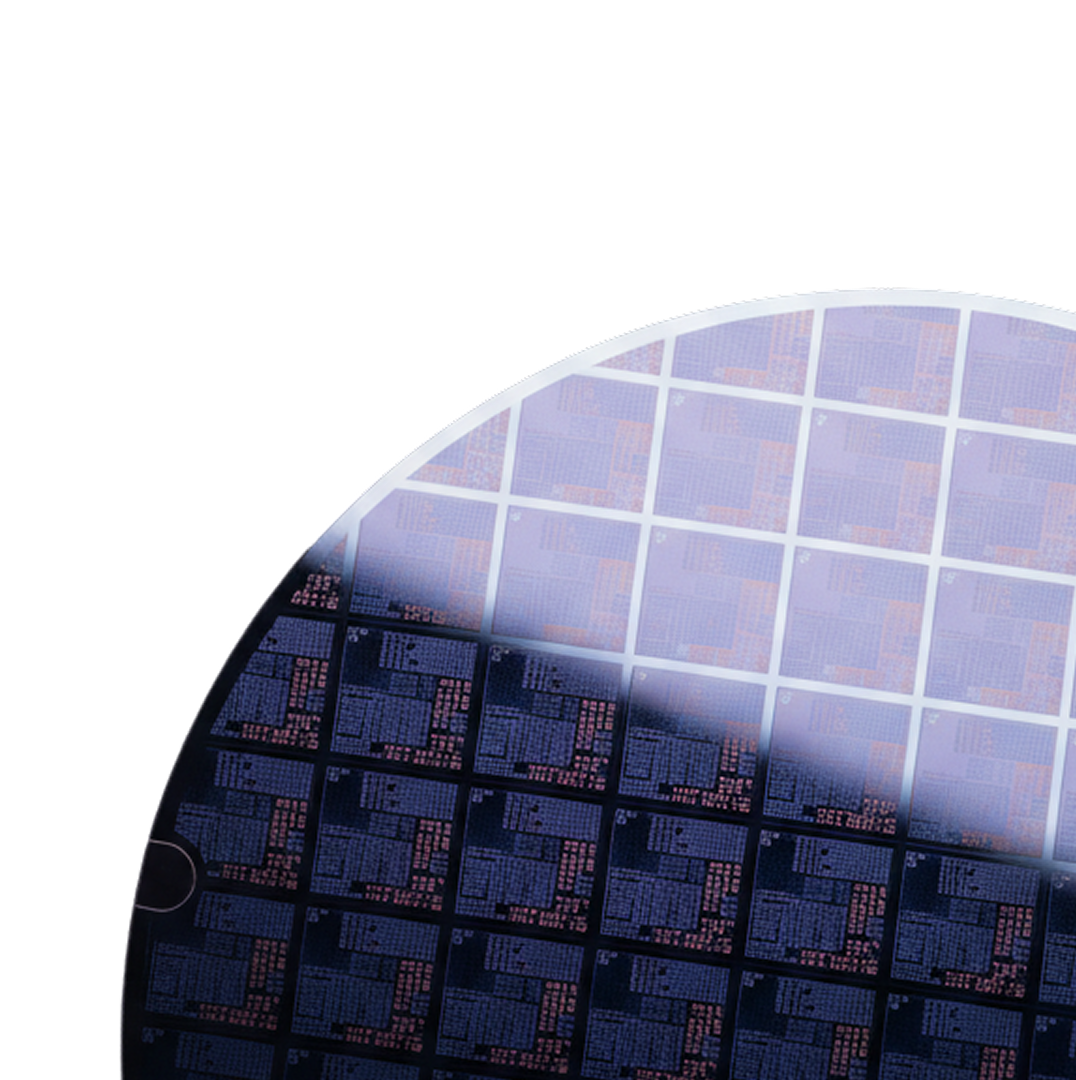
Runtime data turns workload behavior into requirements.
Serving and mining data reveal where inference cost, latency, memory movement, utilization, reliability, and integration pressure actually appear.
Low-Power Silicon for High-Bandwidth Inference
MarsLab builds inference and digital-currency mining infrastructure for higher compute utilization under real deployment power, memory, and cost constraints.
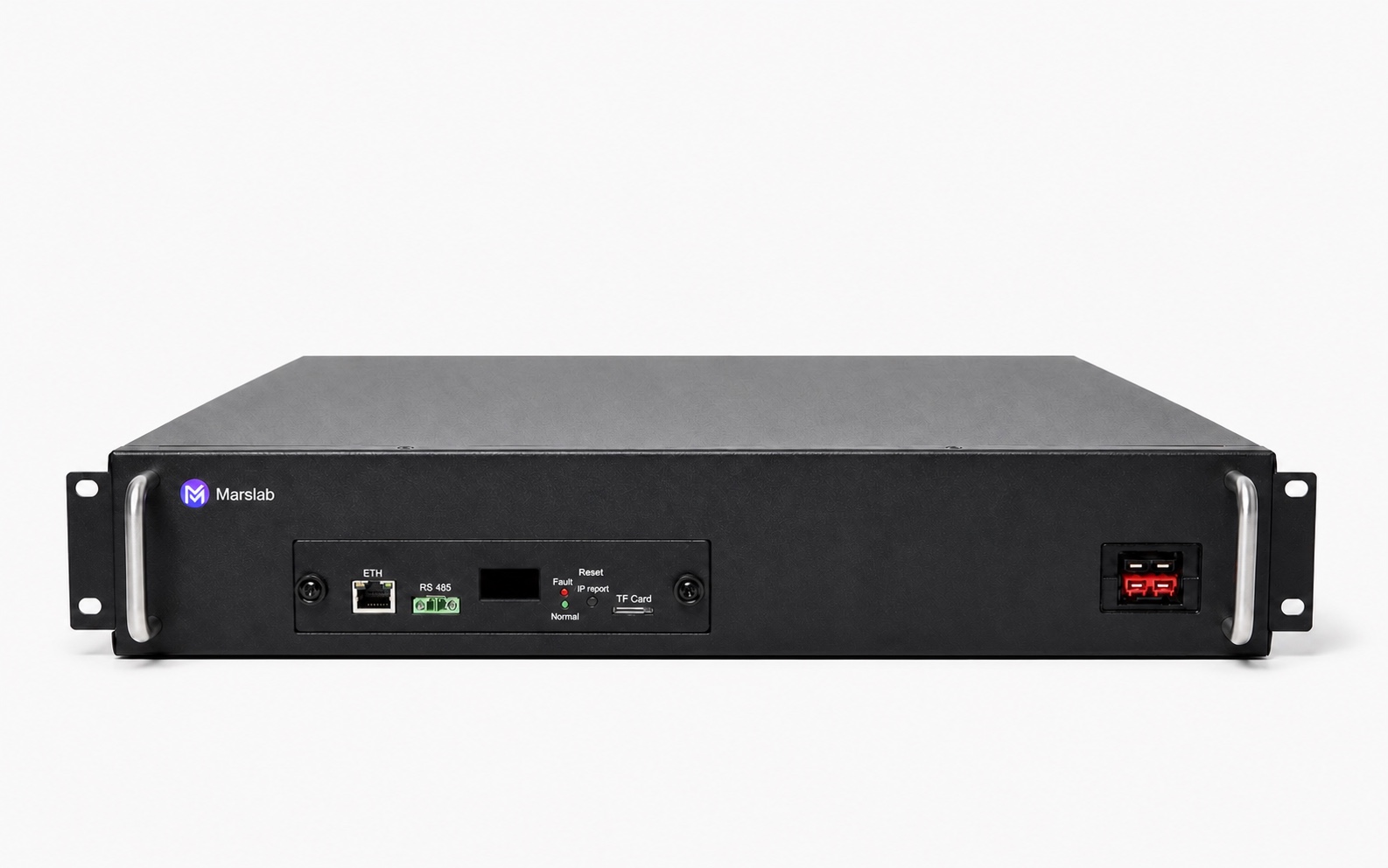
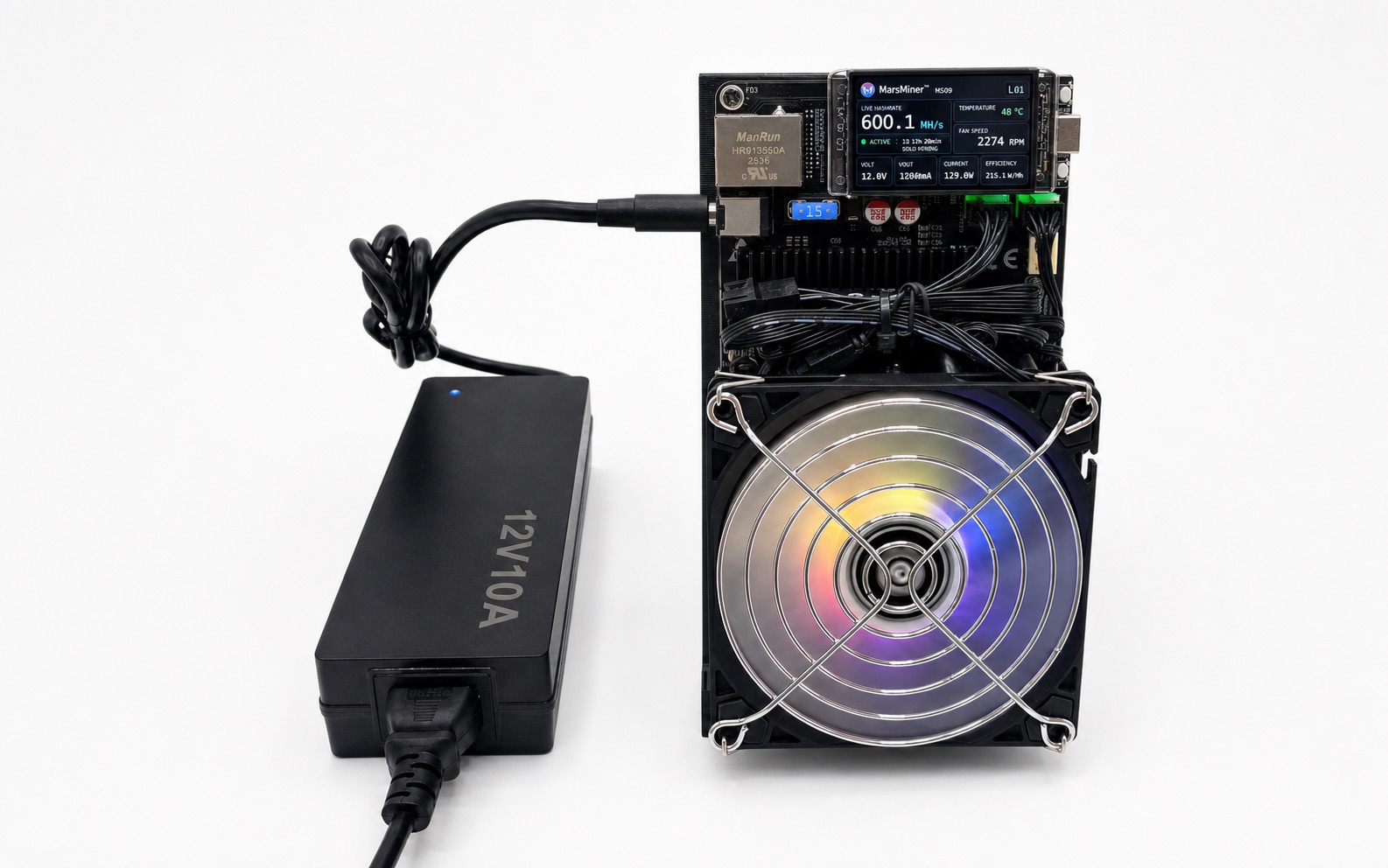
M100 validates commercial serving systems today. L01 extends the product direction into digital-currency workloads, while M200 is shaped for AI inference and mining modes across peak and off-peak demand.
Designed around real workload cycles: peak AI inference demand, off-peak inference capacity, mining utilization, reliability, and operating cost.
Operating Focus
MarsLab is a Singapore-based AI infrastructure company focused on serving systems, digital-currency workloads, runtime behavior, and hardware-aware integration.
The work is aimed at environments where latency, utilization, reliability, and cost matter as much as peak compute, including peak inference windows and off-peak mining use.
Co-Design Stack
MarsLab treats runtime, compiler, kernels, memory layout, NoC, KV cache, and silicon as one inference system.
Serving and mining data reveal where inference cost, latency, memory movement, utilization, reliability, and integration pressure actually appear.
A commercial system product tests workload demand, stack maturity, reliability, and system-level tradeoffs.
Future silicon direction is informed by validated workloads, manufacturability, packaging, memory, and reliability considerations.
Architecture Contrast
Traditional GPU inference stacks optimize around general-purpose acceleration. MarsLab is organized around sustained decode throughput, memory bandwidth, and operating economics.
Enterprise, edge, robotics, and digital-currency scenarios expose real compute demand patterns.
Serving and mining traces reveal batching, KV, memory movement, decode constraints, and off-peak utilization windows.
L01 extends validation into digital-currency workloads, testing utilization, reliability, and operating economics.
Measured constraints are translated into future compute, memory, interconnect, and workload-switching priorities.
A longer-term self-designed silicon direction supports AI inference during peak demand and inference plus mining during off-peak periods.
Technology
MarsLab measures the parts of serving and mining that determine whether compute can run economically outside a lab: memory bandwidth, decode throughput, power, utilization, reliability, and integration complexity.
Power budget, thermal behavior, and sustained serving efficiency are treated as architecture inputs.
Prefill, decode, batching, KV cache, kernels, and memory movement are mapped against bandwidth pressure.
Latency, throughput, utilization, J/token, $/token, reliability, and rack-level output.
Peak inference windows, off-peak inference capacity, and digital-currency mining workloads are planned as one utilization model.
Architecture Readiness
Packaging paths, memory choices, verification scope, and reliability targets are evaluated early, while system requirements are still flexible.
M100 and L01 turn runtime, mining behavior, and integration needs into concrete system constraints.
Compute, memory, interconnect, test, packaging, workload switching, and reliability are evaluated as one path.
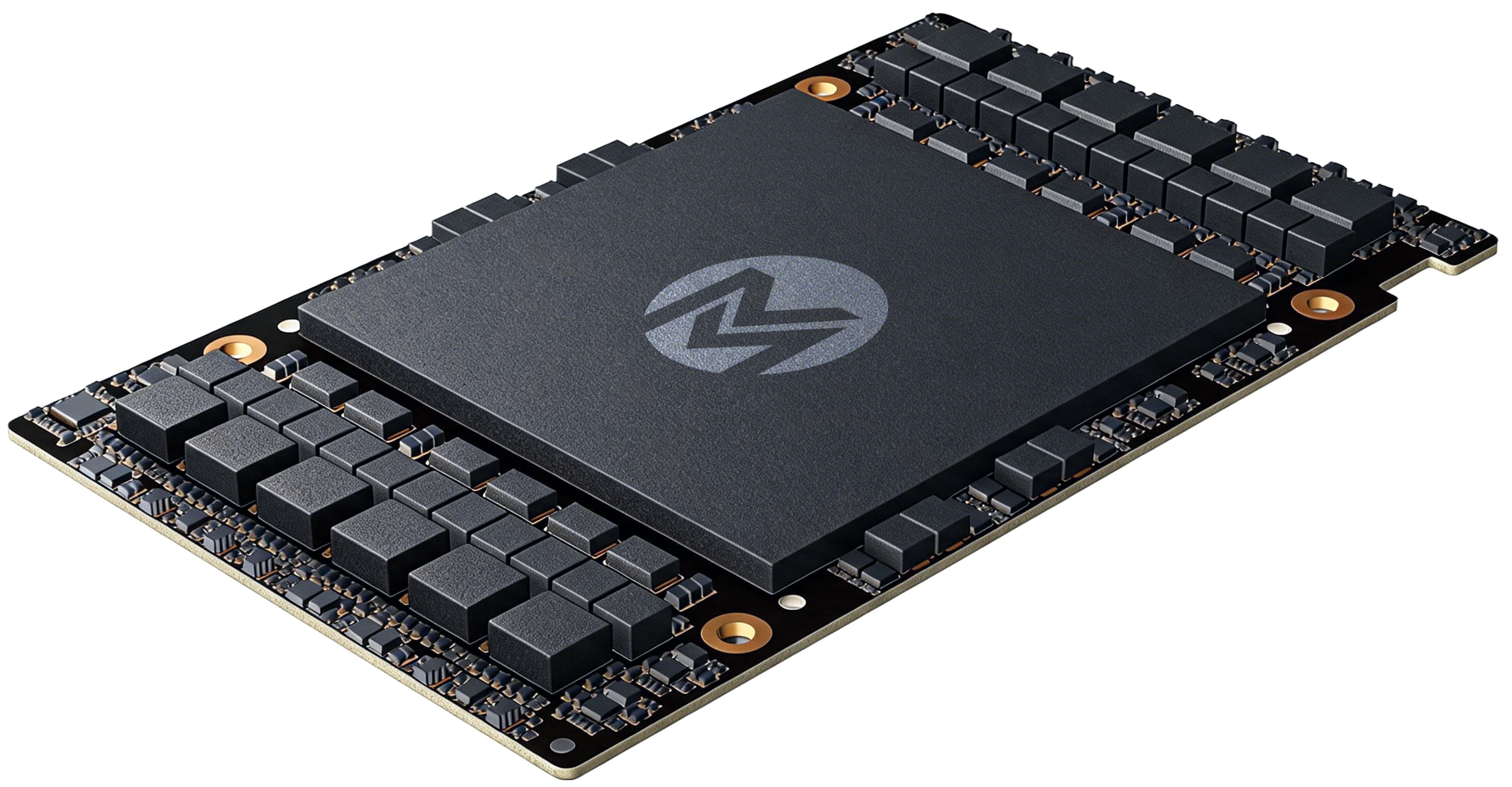
M200 decisions mature through measured inference and mining data before architecture choices harden.
Roadmap
M100 validates the system path, L01 introduces the digital-currency product direction, the runtime loop captures serving and mining signals, and M200 matures toward AI inference plus mining support.
System product for commercial deployment learning.
Product direction for digital-currency workloads and compute utilization validation.
Bridge layer for capturing serving and system signals.
Next-generation architecture for decode-heavy inference and digital-currency mining workloads.
Newsroom
MarsLab outlined a system-first approach to AI inference infrastructure, with a focus on enterprise, edge, and robotics deployment scenarios.
Careers
MarsLab is hiring across silicon architecture, RTL, DFT, physical design, verification, runtime, compiler, AI infrastructure, mining workload optimization, and deployment engineering.
Contact
For recruiting, media, and company inquiries, use the appropriate contact below.
Recruitinghr@marslab.com
Media and general inquiriesmarketing@marslab.com