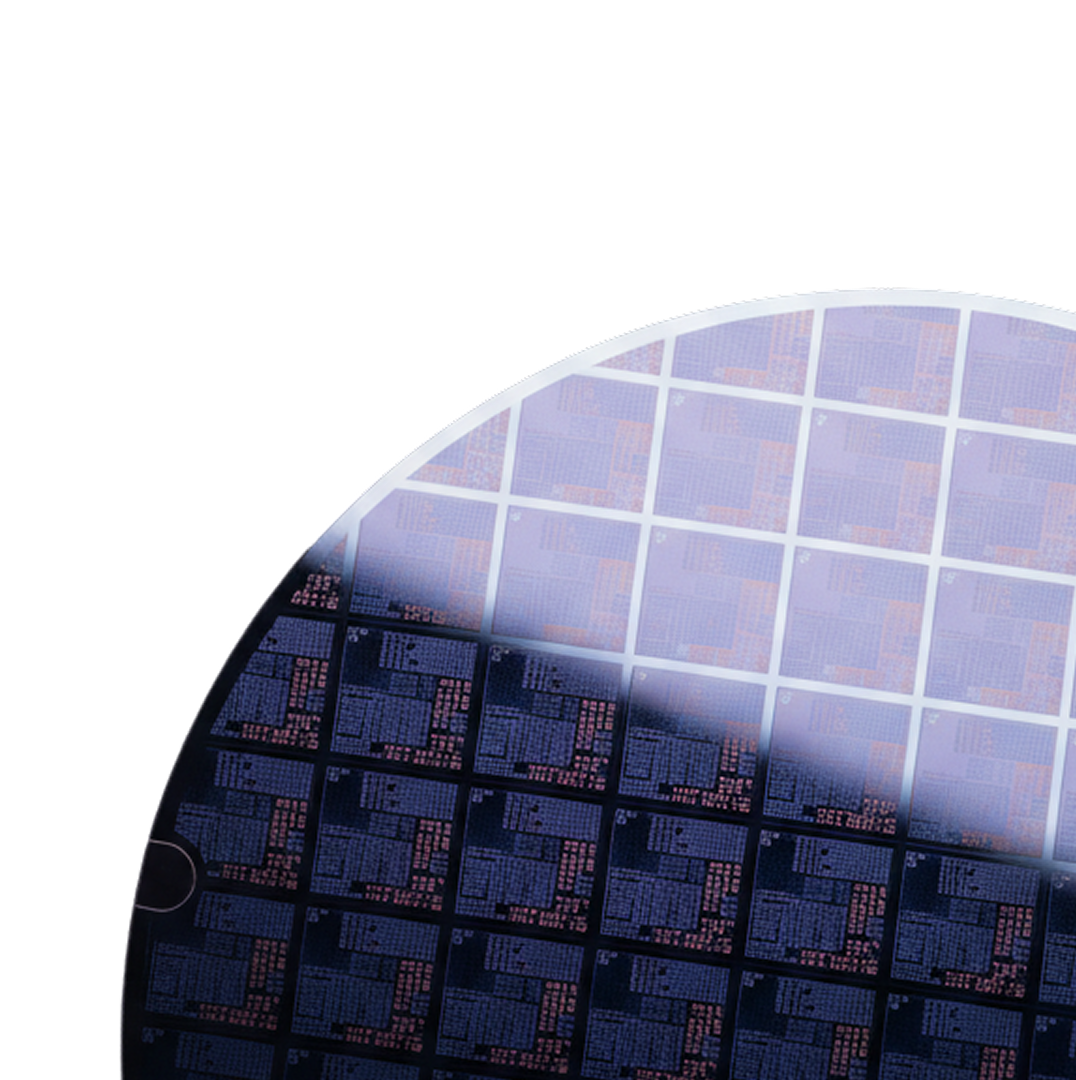
DIGITAL ASSET COMPUTE
MarsMiner L100
Litecoin and Dogecoin mining systems
Purpose-built Scrypt hardware for industrial mining sites and independent operators.
Explore L100 systems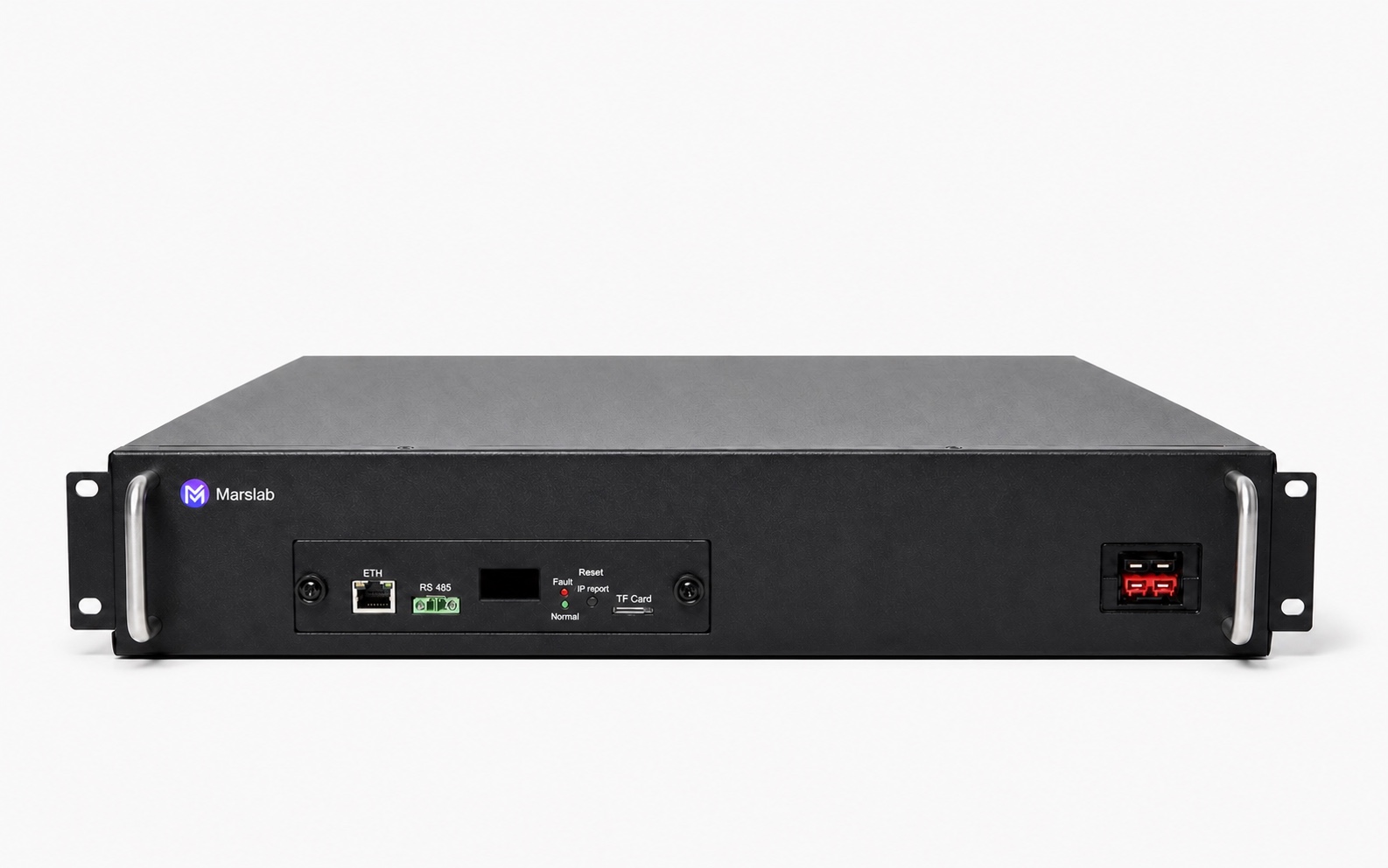


HIGH-PERFORMANCE COMPUTE SYSTEMS
MarsLab develops Scrypt mining systems and AI inference compute platforms for efficient, large-scale deployment.
PRODUCTS
MarsLab is developing two product directions: MarsMiner Scrypt mining systems and M100 AI inference infrastructure.
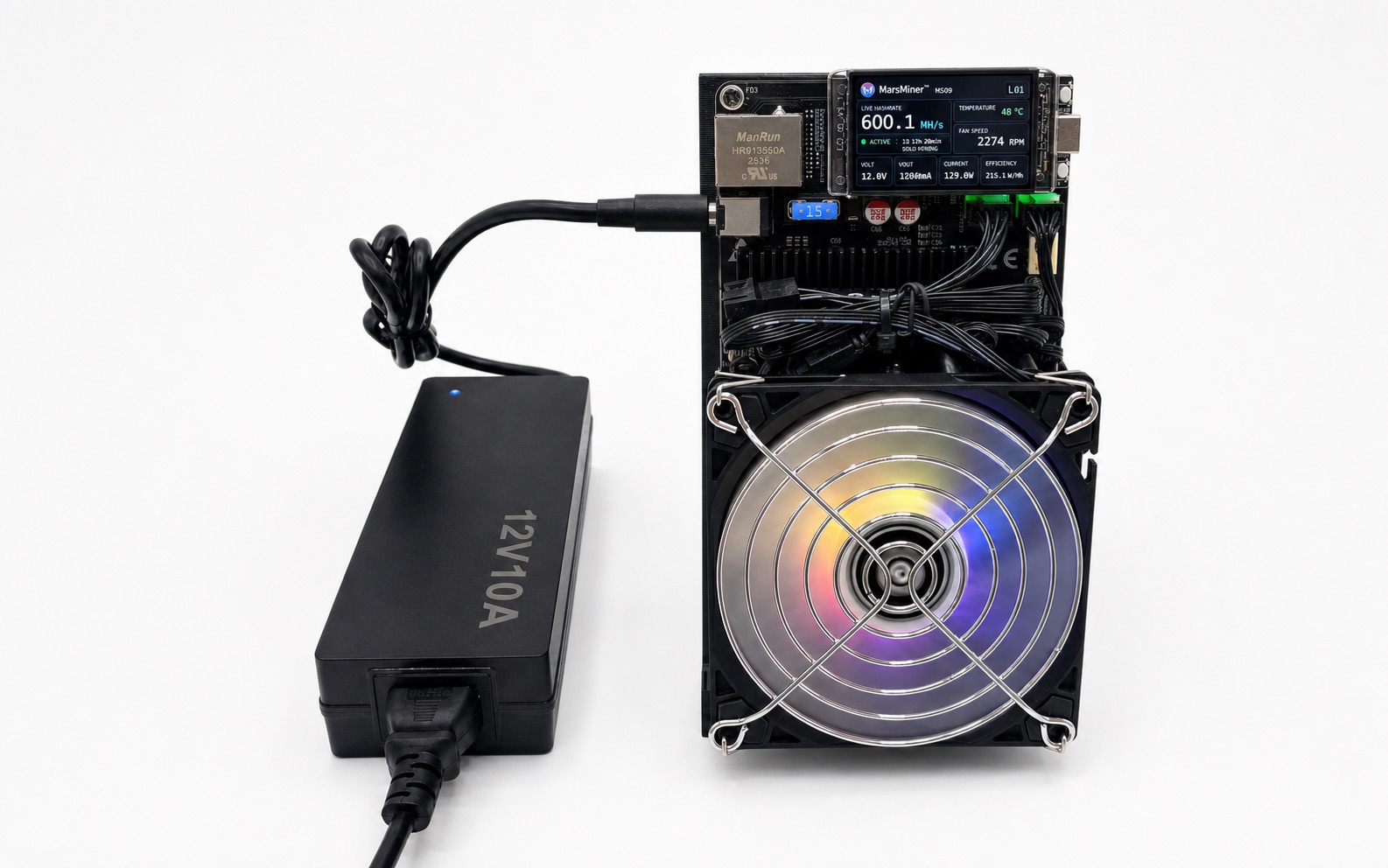
DIGITAL ASSET COMPUTE
Litecoin and Dogecoin mining systems
Purpose-built Scrypt hardware for industrial mining sites and independent operators.
Explore L100 systems
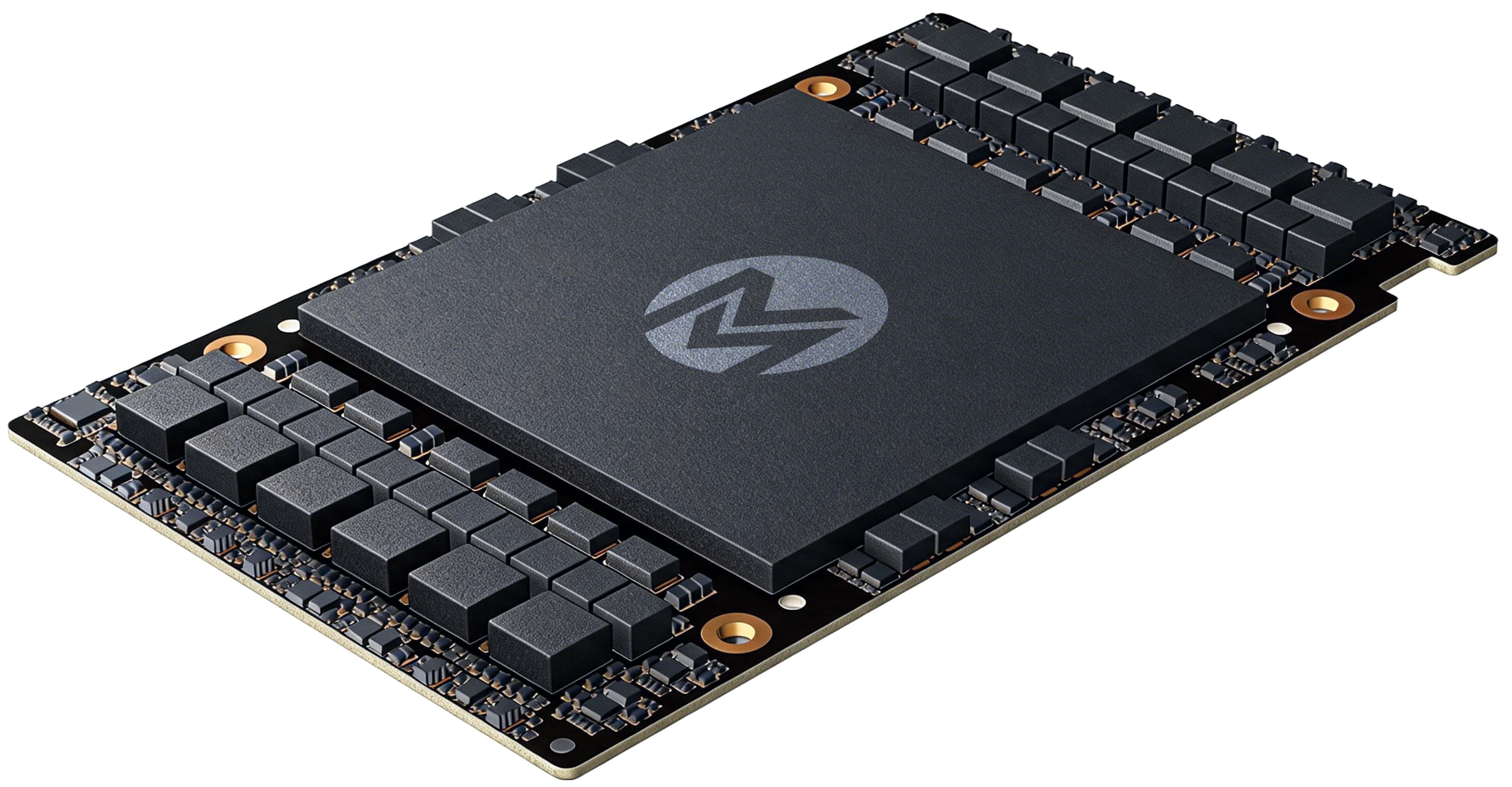
AI INFERENCE
A product line in development for high-bandwidth, memory-intensive inference workloads.
IN DEVELOPMENTTECHNOLOGY
MarsLab brings chip architecture, memory, cooling and deployment together as one product system.
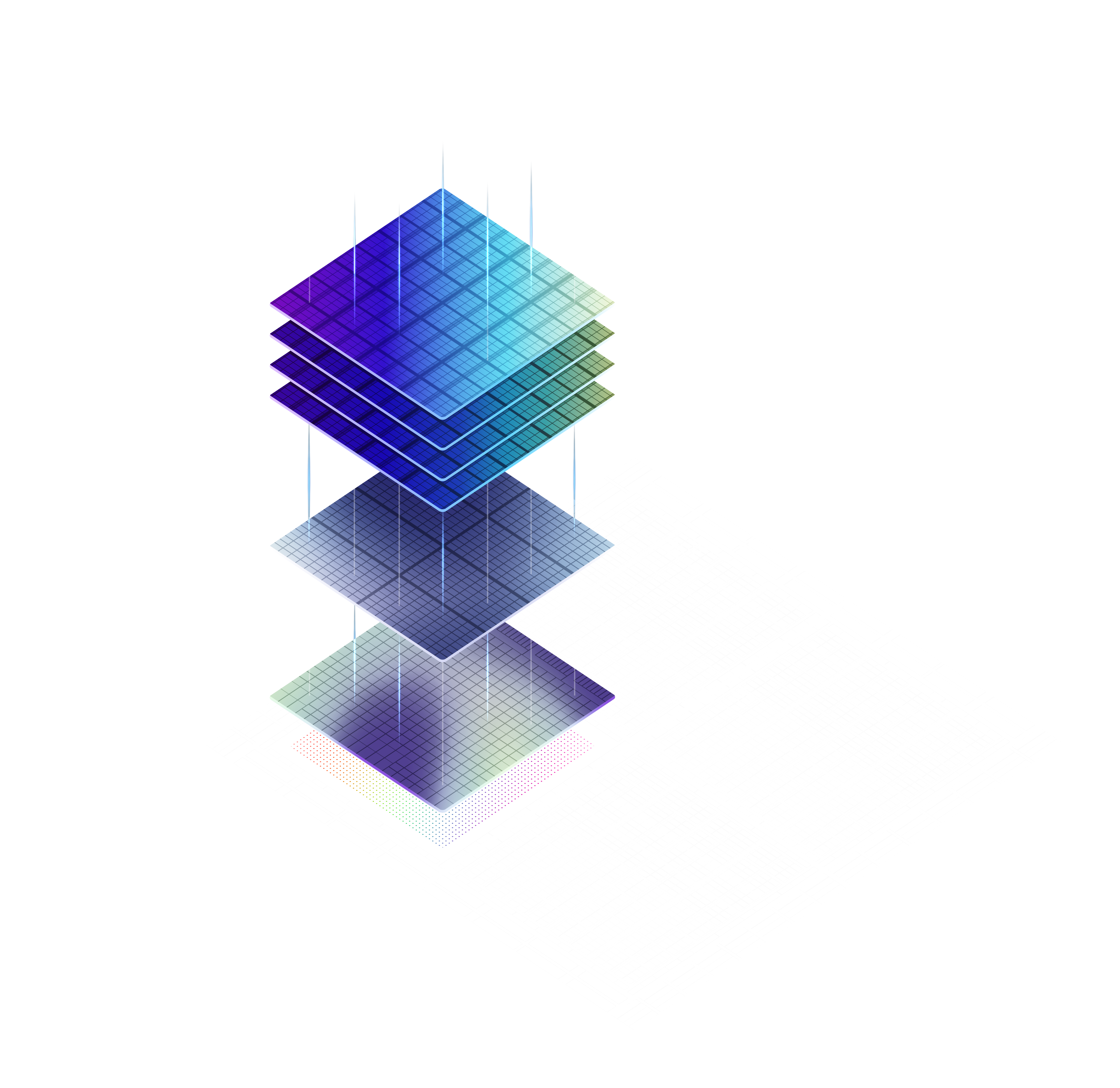
MarsLab builds dedicated compute platforms across silicon, hardware and software for sustained, real-world workloads.
NEWSROOM

Independent coverage of MarsLab’s AI inference infrastructure direction and planned path from system deployment toward future AI silicon.
Read on Tech in AsiaMarsLab has signed a cooperation memorandum supporting future mining infrastructure deployment.
13 APR 2026A new regional base will support partners, customers and the company’s international growth.
Planned · 2026The team will meet digital asset infrastructure partners and share the MarsMiner product direction.
Planned · 2026CAREERS
Join teams working across ASIC design, systems, software and product engineering.